
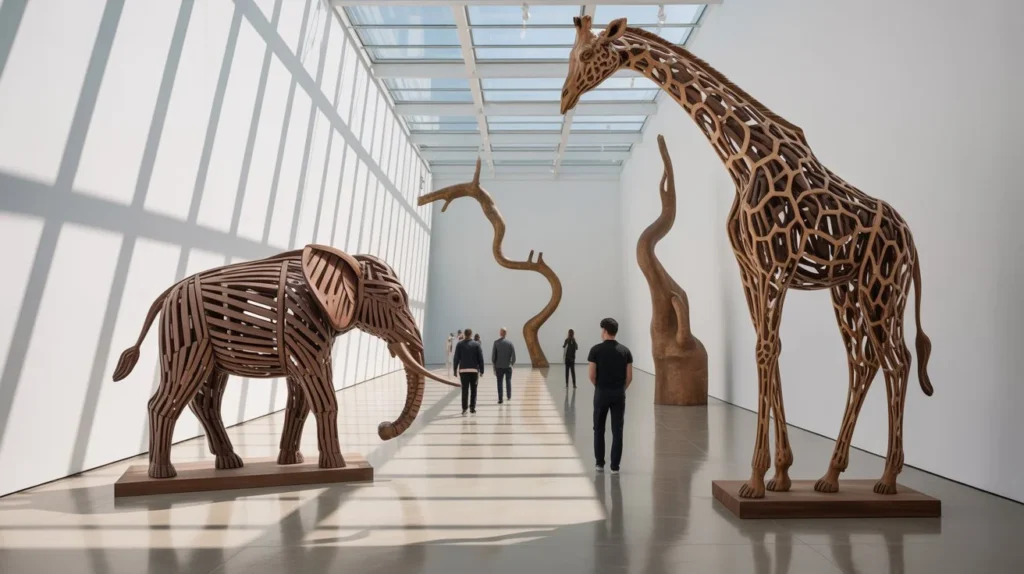
The Art of Zoo is a powerful concept that captures the delicate balance between nature, design, and human responsibility. It represents the transformation of traditional zoos into immersive, thoughtfully designed spaces where animals are not simply displayed, but cared for within environments that closely resemble their natural habitats. Today, zoos are no longer just places of entertainment—they are centers of conservation, education, and innovation.
At its core, The Art of Zoo is about creating meaningful connections. It blends architecture, landscape design, animal behavior science, and storytelling to shape experiences that engage visitors while prioritizing animal welfare. Every element, from the layout of pathways to the design of enclosures, is carefully planned to evoke a sense of wonder and respect for wildlife.
The Evolution of Zoos
To appreciate The Art of Zoo today, it is important to understand how far zoos have come. Early zoos, known as menageries, were collections of exotic animals kept primarily for display. They symbolized wealth and power, often showcasing animals in small, restrictive cages with little concern for their well-being.
As societies evolved, so did perspectives on animals. Public zoos began to emerge, making these collections accessible to broader audiences. However, the design remained largely unchanged. Animals were still confined in basic enclosures, and the focus was more on visibility than on welfare.
The transformation began when scientists and conservationists started advocating for better living conditions. This shift marked the beginning of The Art of Zoo as we know it today. Enclosures became more spacious and naturalistic, designed to mimic the animals’ native habitats. The goal was no longer just to display animals but to care for them and educate the public.
Modern zoos now prioritize animal welfare, conservation, and education. This evolution reflects a deeper understanding of the role zoos play in society and highlights how The Art of Zoo continues to develop over time.
Designing Natural Habitats
One of the most striking aspects of The Art of Zoo is the creation of natural habitats. Designing these environments requires a deep understanding of the animals’ needs, behaviors, and ecosystems. It is a collaborative effort involving architects, zoologists, landscape designers, and engineers.
These habitats are not simply decorative; they are functional ecosystems. From the type of vegetation to the structure of the terrain, every detail is chosen to replicate the animal’s natural environment. Water features, temperature control systems, and carefully selected plants all contribute to creating a realistic setting.
The Art of Zoo is evident in how these elements come together seamlessly. Visitors may see a rocky cliff or a flowing river, unaware that these features are carefully constructed. Hidden barriers replace traditional cages, ensuring safety without disrupting the illusion of openness.
Equally important is the concept of enrichment. Animals are provided with opportunities to engage in natural behaviors such as climbing, foraging, and exploring. This not only improves their physical health but also supports their mental well-being.
Through thoughtful design, The Art of Zoo transforms enclosures into living, dynamic environments that benefit both animals and visitors.
The Psychology of Zoo Layout
The Art of Zoo extends beyond animal habitats to include the experience of visitors. The layout of a zoo is carefully designed to guide movement, create anticipation, and foster engagement. It is as much about human psychology as it is about animal care.
Pathways are rarely straightforward. Instead, they wind through different environments, encouraging exploration and discovery. Each turn reveals something new, maintaining a sense of curiosity and excitement. This design approach makes the visit feel like a journey rather than a simple walk.
Visibility is another crucial aspect. While visitors want to see animals, it is equally important for animals to have privacy. The Art of Zoo lies in balancing these needs. Animals are given spaces to retreat, ensuring they are not constantly exposed to human presence.
The use of hidden barriers is a key design technique. Glass panels, moats, and elevation changes create safe boundaries without breaking immersion. Visitors feel closer to the animals, enhancing their emotional connection.
By carefully considering how people move and interact within the space, The Art of Zoo creates experiences that are both enjoyable and meaningful.
Art and Aesthetics in Zoos
Aesthetics play a central role in The Art of Zoo. Every visual element contributes to the overall experience, from large-scale landscapes to the smallest details. Zoos are designed not only to function effectively but also to inspire and captivate.
Themed zones are a common feature, each representing a specific region or ecosystem. The architecture, materials, and landscaping are chosen to reflect these environments. Visitors might walk through an area designed to resemble an African savanna or a tropical rainforest, complete with corresponding sounds and textures.
Art installations add another layer of depth. Sculptures, murals, and interactive displays are used to tell stories about wildlife and conservation. These artistic elements help communicate complex ideas in an engaging and accessible way.
Even signage is carefully designed. It is not just informative but also visually integrated into the environment. Colors, fonts, and imagery are selected to match the theme of each area, enhancing the sense of immersion.
Through these creative choices, The Art of Zoo transforms functional spaces into rich, storytelling environments that leave a lasting impression.
Conservation and Education Through Design
At its core, The Art of Zoo is deeply connected to conservation and education. Modern zoos are committed to protecting wildlife and raising awareness about environmental issues. Design plays a crucial role in achieving these goals.
Exhibits are structured to tell stories. Visitors learn about the challenges faced by different species, such as habitat loss, climate change, and poaching. By presenting this information alongside live animals, zoos create powerful connections that encourage empathy.
Interactive elements enhance the learning experience. Touchscreens, activity zones, and guided tours provide opportunities for deeper engagement. These features are especially effective for younger audiences, making education both fun and memorable.
Breeding programs are another important aspect of conservation. Carefully designed habitats support the reproduction and development of endangered species. In some cases, these efforts contribute to reintroduction programs, helping restore populations in the wild.
The Art of Zoo lies in integrating these educational and conservation efforts into the physical environment. Visitors leave not only entertained but also informed and inspired to take action.
Ethical Considerations
The discussion of The Art of Zoo would not be complete without addressing ethical considerations. The concept of keeping animals in captivity has long been a topic of debate. Critics argue that no artificial environment can truly replicate the freedom of the wild.
Modern zoos respond to these concerns by prioritizing animal welfare. This includes providing spacious habitats, enrichment activities, and high-quality veterinary care. Accreditation standards ensure that zoos meet specific criteria for ethical practices.
Transparency is also a key factor. Many zoos openly share information about their operations, allowing visitors to understand how animals are cared for and how conservation efforts are implemented.
The Art of Zoo involves finding a balance between these ethical challenges and the benefits that zoos provide. While captivity is not without its limitations, many zoos play a vital role in protecting endangered species and educating the public.
Technology in Modern Zoos
Technology is increasingly becoming a part of The Art of Zoo. Innovations are enhancing both animal care and visitor experiences, creating new possibilities for engagement and understanding.
Advanced monitoring systems allow zookeepers to track animal health and behavior in real time. This data helps ensure that animals receive the best possible care and that any issues are addressed promptly.
For visitors, digital tools add a new dimension to exploration. Augmented reality, interactive displays, and mobile applications provide additional layers of information. These technologies make learning more dynamic and accessible.
Virtual tours have also expanded the reach of zoos. People from around the world can experience exhibits and learn about conservation efforts without physically visiting. This accessibility supports broader awareness and engagement.
By integrating technology thoughtfully, The Art of Zoo continues to evolve, blending traditional design with modern innovation.
Case Studies
Examples from around the world highlight the success of The Art of Zoo in practice. Some zoos are renowned for their immersive environments, where visitors feel completely surrounded by nature. Others are recognized for their contributions to conservation, successfully breeding and protecting endangered species.
These case studies demonstrate the potential of thoughtful design and innovation. They show how zoos can go beyond their traditional roles and become leaders in conservation and education.
Learning from these examples allows future developments to build on proven success. The Art of Zoo is not static; it is constantly evolving as new ideas and technologies emerge.
The Future of Zoos
The future of The Art of Zoo is likely to focus on sustainability, conservation, and innovation. There is a growing emphasis on creating larger, more natural environments that prioritize animal freedom and well-being.
Zoos are increasingly collaborating with global organizations to protect wildlife and habitats. These partnerships extend their impact beyond physical boundaries, contributing to conservation efforts worldwide.
Sustainability is also becoming a central concern. Many zoos are adopting eco-friendly practices, such as using renewable energy and reducing waste. These efforts align with the broader goal of environmental protection.
As public expectations continue to change, The Art of Zoo will adapt. It will incorporate new technologies, ethical standards, and design approaches to meet the challenges of the future.
Conclusion
The Art of Zoo represents a unique intersection of science, creativity, and responsibility. It is about more than just designing spaces for animals; it is about creating meaningful experiences that connect people with the natural world.
From natural habitats to immersive layouts, from artistic elements to conservation efforts, every aspect of a modern zoo reflects careful thought and intention. The Art of Zoo is a testament to how far we have come in understanding and respecting wildlife.
As zoos continue to evolve, they hold the potential to inspire change, foster empathy, and contribute to the preservation of our planet. In this way, The Art of Zoo is not just about what we see, it is about what we learn, feel, and carry forward into the future.
Frequently Asked Questions
What does “The Art of the Zoo” mean?
The Art of the Zoo refers to the thoughtful combination of design, science, and creativity used to create modern zoo environments. It includes everything from natural habitat construction to visitor experience, all aimed at improving animal welfare while educating and engaging people.
How do modern zoos design natural-looking habitats?
Modern zoos use research on animals’ natural environments to recreate habitats with realistic landscapes, vegetation, and climate conditions. The Art of the Zoo ensures these spaces are not only visually appealing but also support animals’ physical and psychological needs through enrichment and space.
Why are hidden barriers used instead of cages?
Hidden barriers such as glass walls, moats, and elevation changes are used to maintain safety while creating a more immersive experience. The Art of the Zoo focuses on making visitors feel closer to animals without compromising their well-being or security.
How do zoos contribute to conservation?
Zoos play a key role in conservation through breeding programs, education, and research. The Art of the Zoo helps communicate conservation messages effectively by designing exhibits that inform visitors about endangered species and environmental challenges.
Are modern zoos ethical for animals?
This is an ongoing debate, but many modern zoos follow strict welfare standards, provide enrichment, and focus on conservation. The Art of the Zoo aims to balance ethical concerns with the benefits of education, species protection, and scientific research.