
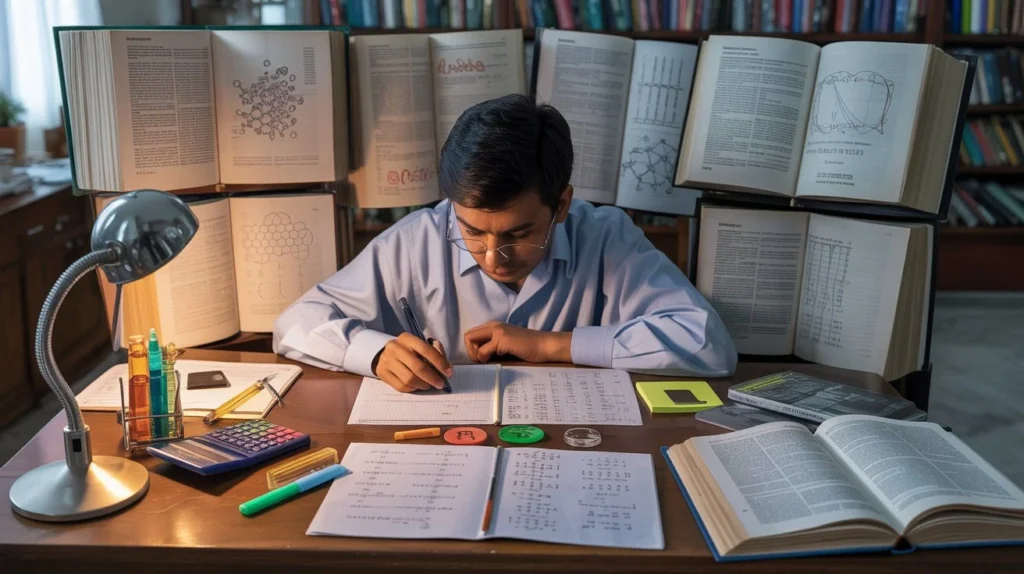
JEE is often seen as one of the toughest academic challenges a student can face, but beyond the books, formulas, and mock tests lies another equally demanding battlethe struggle to maintain mental balance. For many aspirants, this journey becomes a constant cycle of studying, testing, and worrying about results. While dedication and hard work are necessary, ignoring your mental well-being can quietly harm your progress.
Burnout and stress are not rare exceptions in this journey; they are extremely common experiences. Yet, many students fail to recognize them or choose to ignore them, thinking that pushing harder is the only solution. In reality, unmanaged stress can slow you down, reduce your efficiency, and make your preparation much more difficult than it needs to be.
Understanding how burnout works and learning how to manage it can completely change the way you approach your JEE preparation. It allows you to study consistently without feeling exhausted, stay motivated during tough phases, and perform at your true potential.
Understanding Burnout
Burnout is a state of complete mental, emotional, and physical exhaustion caused by prolonged periods of stress. It develops gradually when you continuously push yourself without giving enough time for rest and recovery. In the beginning, you may feel motivated and determined, but over time, this intensity can turn into fatigue and frustration.
Unlike normal stress, which can sometimes improve focus and performance, burnout has the opposite effect. It drains your energy and makes it difficult to stay engaged with your studies. Tasks that once felt manageable may start to feel overwhelming, and your overall interest in studying can begin to fade.
In the context of JEE, burnout often goes unnoticed because students assume that feeling tired and stressed is a natural part of preparation. However, there is a clear difference between working hard and overworking to the point where your efficiency starts declining.
Why Burnout is Common in the JEE Journey
The structure of JEE preparation itself creates an environment where burnout can easily develop. It is a long-term commitment that requires consistent effort over months or even years. This continuous pressure can gradually wear down even the most dedicated students.
One of the primary reasons is the tendency to equate long study hours with success. Many students believe that studying for extended hours every day is the only way to achieve a good rank. While effort is important, excessive studying without proper breaks can reduce productivity and increase fatigue.
Another factor is the burden of expectations. Students often carry not only their own ambitions but also the expectations of their parents and teachers. Trying to meet these expectations can create constant pressure, especially when results do not match the effort put in.
Comparison with peers further adds to the stress. Seeing others perform better in tests or complete more syllabus can make you feel inadequate, even if you are progressing well in your own way. This constant comparison shifts your focus away from self-improvement and towards unnecessary competition.
Fear of failure is another major contributor. The uncertainty of the outcome and the high stakes associated with JEE can create anxiety that builds up over time. When combined with poor lifestyle habits like lack of sleep and physical inactivity, it becomes even harder to cope with stress.
Recognizing the Signs of Burnout
Burnout often develops silently, and its symptoms can be easy to overlook if you are not paying attention. One of the most common signs is a noticeable drop in motivation. You may find yourself avoiding studies or feeling uninterested in topics that once seemed engaging.
Concentration becomes difficult, and you may struggle to focus even during important study sessions. Your ability to retain information may also decrease, leading to frustration when you are unable to recall concepts during tests.
Emotional changes are also significant indicators. You might feel irritated over small issues, experience mood swings, or develop a constant sense of anxiety. Negative thoughts and self-doubt can become more frequent, affecting your confidence.
Physical symptoms such as constant tiredness, headaches, or sleep disturbances may also appear. These signs indicate that your body is reacting to prolonged stress and needs attention.
How Burnout Affects Your Performance
Burnout does not just affect how you feel; it directly impacts how you perform. When your mind is exhausted, your ability to concentrate and process information declines. This means that even if you are spending long hours studying, the output is much lower.
In mock tests, you may start making mistakes that you would not normally make. This is often due to a lack of focus rather than a lack of knowledge. Such mistakes can be frustrating and may further reduce your confidence.
As your performance declines, it can create a cycle of stress and self-doubt. You may start questioning your abilities, which in turn affects your motivation to study. Over time, this cycle can make preparation feel overwhelming and discouraging.
Building a Sustainable Study Approach
To deal with burnout effectively, it is important to adopt a study approach that is sustainable in the long run. Instead of focusing only on how much you study, it is essential to focus on how well you study.
A realistic study plan helps reduce unnecessary pressure. When your goals are achievable, you are more likely to stay consistent and motivated. Breaking down large topics into smaller sections makes them easier to manage and less intimidating.
Taking regular breaks is equally important. Your brain needs time to rest and recharge in order to function effectively. Studying continuously without breaks may seem productive, but it actually reduces your ability to concentrate over time.
Sleep plays a crucial role in maintaining efficiency. A well-rested mind is more alert, focused, and capable of retaining information. Maintaining a consistent sleep schedule can significantly improve your overall performance.
Reducing Mental Pressure
Managing mental pressure is a key part of handling burnout. One of the most effective ways to do this is by changing your perspective on competition. Instead of comparing yourself with others, focus on your own progress. Improvement over time is a much more reliable indicator of success than comparing scores with peers.
It is also important to develop a healthy attitude toward mistakes. Mistakes are not failures; they are opportunities to learn and improve. Viewing them positively can reduce anxiety and help you grow academically.
Limiting exposure to sources of stress, especially social media, can also make a big difference. Constant exposure to others’ achievements or exaggerated study routines can create unrealistic expectations and increase pressure.
Taking Care of Your Mind and Body
Your mental and physical health are interconnected, and taking care of both is essential during JEE preparation. Including some form of physical activity in your daily routine can help reduce stress and improve your mood. Even simple activities like walking or stretching can have a positive impact.
Practicing mindfulness or meditation can also help calm your mind and improve focus. Spending a few minutes each day being present and aware can reduce anxiety and increase mental clarity.
Communication is another important aspect of mental well-being. Talking to someone you trust about your thoughts and feelings can provide relief and help you gain a new perspective. Keeping everything to yourself can increase stress and make problems feel bigger than they actually are.
Staying Mentally Strong
Mental strength is about being able to handle challenges without losing your balance. It does not mean that you will never feel stressed or tired. Instead, it means that you can manage those feelings and continue moving forward.
Positive self-talk can play a powerful role in building confidence. Encouraging yourself during difficult times can help you stay motivated and focused. The way you think about yourself directly affects your performance.
Recognizing and celebrating small achievements can also boost motivation. Progress in JEE preparation is gradual, and acknowledging small wins can keep you encouraged throughout the journey.
It is also important to accept that not every day will be perfect. There will be days when you feel less productive or distracted. Instead of being harsh on yourself, focus on maintaining consistency over time.
The Role of Support Systems
A supportive environment can make a significant difference in how you handle stress. When parents and teachers provide encouragement and understanding, it creates a sense of security that helps students perform better.
Feeling supported rather than pressured allows students to focus on learning and improvement. Open communication between students, parents, and teachers can help address concerns and reduce unnecessary stress.
Knowing When to Seek Help
There are times when burnout can become too overwhelming to manage alone. If you find yourself constantly anxious, unable to concentrate, or emotionally drained for a long period, it is important to seek help.
Talking to a counselor or mental health professional can provide guidance and support. Seeking help is not a sign of weakness; it is a step toward taking care of your well-being and ensuring that you can continue your journey in a healthy way.
Conclusion
The JEE journey is challenging, but it should not come at the cost of your mental and emotional health. Burnout and stress are real challenges, but they can be managed with the right approach and mindset.
Success in JEE is not just about how hard you work, but also about how well you take care of yourself during the process. A balanced approach, where effort is combined with rest and self-care, leads to better performance and a healthier experience.
In the end, this journey is not just about clearing an exam. It is about growing as a person, learning discipline, and building resilience. Taking care of your mind and body will not slow you down, it will help you move forward with strength and clarity.
Frequently Asked Questions
1. Is it normal to feel stressed during JEE preparation?
Yes, feeling stressed during JEE preparation is completely normal. The exam is highly competitive and requires consistent effort, which can naturally create pressure. However, the key is to manage this stress so that it does not turn into burnout or affect your performance.
2. How do I know if I am experiencing burnout or just regular tiredness?
Regular tiredness usually goes away after rest or sleep, while burnout is more persistent. If you feel constantly exhausted, unmotivated, and unable to focus even after taking breaks, it could be a sign of burnout rather than normal fatigue.
3. Can taking breaks affect my JEE preparation negatively?
No, taking breaks does not harm your preparation. In fact, it improves your efficiency and concentration. Short breaks help your mind recharge, making your study sessions more productive and effective.
4. How can I stop comparing myself with other JEE aspirants?
Comparison often comes from focusing too much on others’ progress. Try shifting your focus to your own improvement and set personal goals. Limiting time on social media and avoiding unnecessary discussions about ranks can also help reduce comparison.
5. When should I consider seeking professional help for stress?
If you feel anxious, emotionally drained, unable to focus, or lose interest in studies for a long period, it is important to seek help. Talking to a counselor or mental health professional can provide the support and guidance you need to recover and continue your preparation effectively.