Interior design in 2026 is evolving beyond surface-level aesthetics into something far more meaningful. Homes today are expected to do more than just look good,they must support our lifestyles, improve our well-being, and adapt to changing needs. As people spend more time at home, the demand for spaces that feel both functional and emotionally comforting has grown significantly.
This shift has led to a new design philosophy where sustainability, technology, personalization, and wellness are at the forefront. Instead of following rigid styles, homeowners are blending ideas to create environments that reflect their personalities while remaining practical.
Sustainable & Eco-Friendly Design
The Rise of Conscious Living
Sustainability has become a defining factor in interior design decisions. In 2026, homeowners are more aware of the environmental impact of their choices, leading to a growing preference for eco-friendly materials and practices.
Natural and Recycled Materials
Materials such as reclaimed wood, bamboo, cork, and stone are widely used to create interiors that feel organic and timeless. Recycled furniture and upcycled décor are also gaining popularity, offering both sustainability and uniqueness.
Biophilic Design and Indoor Greenery
The connection between indoor spaces and nature continues to strengthen. Incorporating plants, maximizing natural light, and creating indoor gardens help improve air quality and mental well-being, making homes feel fresher and more alive.
Smart Homes & Integrated Technology
Technology That Blends Seamlessly
In 2026, technology is no longer an add-on but an integral part of design. Smart systems are being incorporated in ways that are subtle and visually unobtrusive.
AI and Automation in Everyday Living
Voice-controlled assistants, automated lighting, and climate control systems are making homes more intuitive. These technologies enhance convenience while also improving energy efficiency.
The Concept of Invisible Tech
Designers are focusing on concealing technology within interiors. Hidden speakers, built-in charging stations, and integrated lighting systems allow spaces to maintain a clean and uncluttered look.
Warm Minimalism
Moving Beyond Cold Minimalism
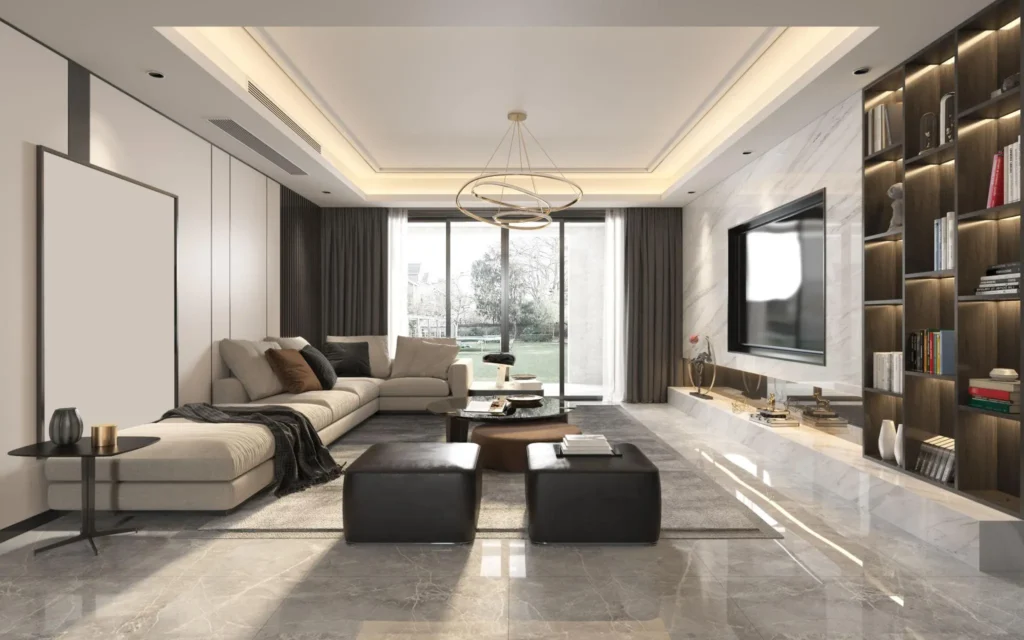
Minimalism in 2026 is softer and more inviting. The stark, monochrome spaces of the past are being replaced with warmer tones and textures that create a sense of comfort.
Neutral Palettes and Soft Textures
Shades like beige, cream, and warm grey dominate interiors, complemented by materials such as wood, linen, and wool. These elements add depth and warmth without overwhelming the space.
Simplicity with Comfort
The emphasis is on decluttering while maintaining a cozy atmosphere. Every piece of furniture and décor serves a purpose, resulting in spaces that feel calm yet welcoming.
Bold Colors & Statement Pieces
The Return of Expressive Interiors
While minimalism remains popular, there is a growing desire for bold and expressive design. Homeowners are experimenting with vibrant colors and unique elements to create standout spaces.
Rich Color Palettes
Deep greens, terracotta tones, navy blues, and burgundy shades are being used to add sophistication and character. These colors bring warmth and drama into interiors.
Statement Furniture and Décor
A single striking piece, such as a colorful sofa or an artistic light fixture, can transform an entire room. These elements act as focal points and reflect the homeowner’s personality.
Multifunctional Spaces
Adapting to Modern Lifestyles
As living spaces become more compact, the need for multifunctional design has increased. Homes are now expected to serve multiple purposes within the same area.
Flexible Layouts and Smart Furniture
Furniture that can be folded, expanded, or transformed is becoming essential. These solutions allow rooms to adapt to different needs throughout the day.
Blending Work and Living Spaces
With remote work becoming more common, homes are being designed to accommodate workspaces without compromising on comfort or style.
Vintage Revival & Personalization
A Shift Toward Individuality
Interior design in 2026 celebrates uniqueness. Instead of following uniform styles, homeowners are creating spaces that tell their personal stories.
Blending Old and New
Vintage furniture and retro décor are being combined with modern elements to create a balanced and timeless look. This mix adds character and depth to interiors.
Personalized Living Spaces
Custom-made furniture, curated décor, and meaningful objects are becoming central to design. These elements make a home feel truly personal and authentic.
Textured & Layered Interiors
Creating Depth Through Texture
Texture is playing a crucial role in modern interiors. Combining different materials adds richness and visual interest to a space.
Mixing Materials for Visual Appeal
Wood, stone, fabric, and metal are being layered together to create dynamic environments. This approach makes interiors feel more engaging and less flat.
The Importance of Layered Lighting
Using multiple light sources enhances both functionality and ambiance. Layered lighting helps create a warm and inviting atmosphere.
Wellness-Centric Design
Designing for Well-Being
Homes are increasingly being designed with wellness in mind. The focus is on creating environments that promote relaxation and reduce stress.
Natural Elements and Calming Spaces
Natural light, fresh air, and soothing colors are essential components of wellness-focused interiors. These elements contribute to a healthier living environment.
Dedicated Wellness Areas
Spaces such as meditation corners, yoga rooms, and spa-like bathrooms are becoming more common. These areas provide a retreat from daily life and encourage self-care.
Practical Ways to Incorporate These Trends
Starting Small with Big Impact
Incorporating new trends does not require a complete redesign. Small changes, such as adding plants or updating lighting, can significantly enhance a space.
Balancing Trends with Personal Style
It is important to adapt trends in a way that suits your lifestyle. Combining different elements thoughtfully ensures that your home remains both stylish and functional.
Prioritizing Functionality
While aesthetics are important, functionality should always come first. A well-designed space should support daily activities while maintaining visual appeal.
Conclusion
Interior design trends in 2026 reflect a deeper understanding of how spaces influence our lives. The focus has shifted toward creating homes that are not only beautiful but also meaningful, adaptable, and supportive of well-being.
From sustainable materials and smart technology to bold aesthetics and personalized touches, these trends offer endless possibilities for designing modern living spaces. The key lies in finding the right balance and creating a home that resonates with your lifestyle.
Frequently Asked Questions
What is the biggest interior design trend in 2026?
One of the biggest trends in 2026 is the shift toward sustainable and eco-friendly design. Homeowners are prioritizing natural materials, energy-efficient solutions, and environmentally responsible choices, making sustainability a core element rather than just a trend.
How can I update my home to match 2026 design trends on a budget?
You don’t need a full renovation to follow current trends. Simple updates like adding indoor plants, changing lighting fixtures, using warm neutral colors, or introducing textured fabrics can make a noticeable difference without spending too much.
Are bold colors replacing minimalism in 2026?
Not exactly. Instead of replacing minimalism, bold colors are complementing it. Many homeowners are combining clean, minimal spaces with one or two statement elements, such as a colorful sofa or an accent wall, to create balance.
What is warm minimalism and why is it popular?
Warm minimalism is a softer version of traditional minimalism that focuses on comfort and coziness. It uses neutral tones, natural materials, and soft textures to create spaces that feel calm, inviting, and livable, which aligns with modern lifestyle needs.
How important is technology in modern interior design?
Technology plays a significant role in 2026 interiors. Smart home systems, automated lighting, and integrated devices are becoming standard, but the focus is on blending them seamlessly into the design so they enhance functionality without disrupting aesthetics.