
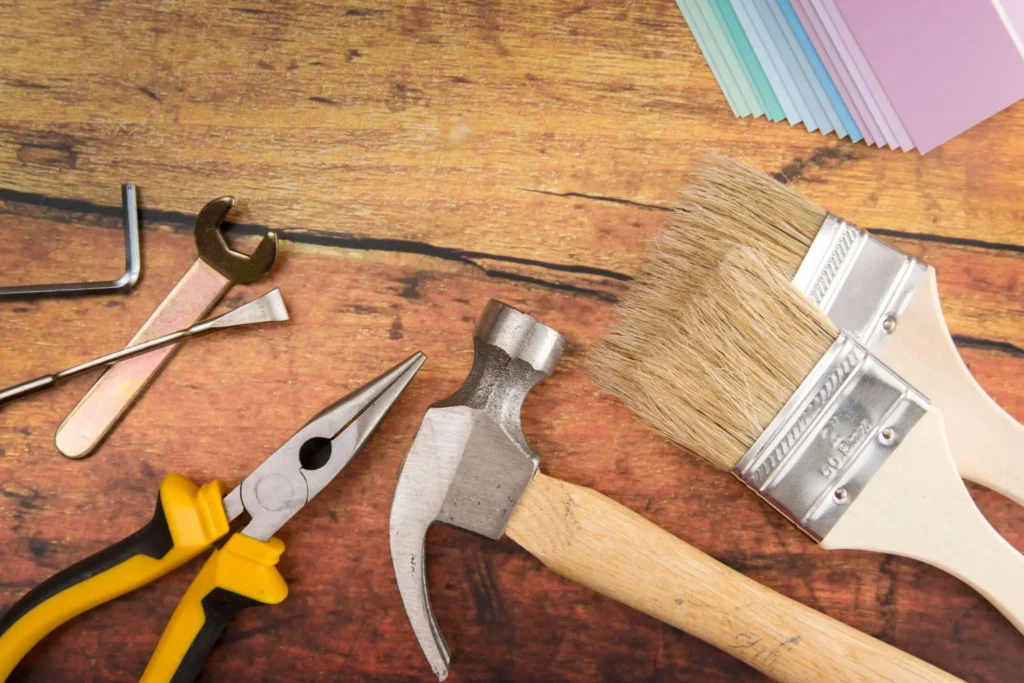
Owning a home brings a sense of independence and pride, but it also comes with ongoing responsibilities. From minor repairs to routine maintenance, there are countless situations where having the right tools can make a significant difference. Instead of relying on professionals for every small issue, a well-prepared homeowner can handle many tasks efficiently with a basic toolkit.
Having essential tools at home is not about becoming a professional handyman. It is about being ready for everyday challenges that arise unexpectedly. Whether it’s tightening a loose screw, fixing a dripping tap, or assembling new furniture, the right tools save time, reduce stress, and often prevent small problems from turning into bigger ones.
Basic Hand Tools
Foundation of Every Toolkit
Every homeowner should begin with a set of basic hand tools. These tools are simple, reliable, and versatile enough to handle a wide range of everyday tasks.
A hammer is one of the most essential tools in any household. It is used for driving nails into walls, assembling wooden items, and even removing nails using its claw. Its simplicity makes it one of the first tools people learn to use.
A screwdriver set is equally important. Since most household fixtures and appliances are held together by screws, having both flathead and Phillips screwdrivers in different sizes ensures that you are prepared for various situations. From tightening cabinet handles to fixing electrical plates, screwdrivers are used frequently.
An adjustable wrench is particularly useful for plumbing tasks. It allows you to grip and turn nuts and bolts of different sizes, making it ideal for fixing taps or assembling fixtures.
Pliers are another versatile addition. They help in gripping, bending, and cutting wires or small objects. Their usefulness extends to both electrical work and general repairs.
A tape measure is essential for accuracy. Whether you are measuring space for furniture or ensuring proper placement of fixtures, this tool helps you achieve precise results.
These tools form the backbone of any toolkit and are indispensable for everyday home maintenance.
Power Tools
Enhancing Efficiency and Capability
Once you have mastered basic hand tools, power tools can significantly improve your efficiency. They reduce manual effort and make complex tasks easier to handle.
A cordless drill is often considered the most valuable power tool for homeowners. It can drill holes and drive screws quickly, making it extremely useful for tasks such as installing shelves or assembling furniture. Its portability adds to its convenience.
An impact driver is designed for heavier tasks. It delivers higher torque, making it suitable for driving long screws or working with tougher materials. While not necessary for beginners, it becomes useful as your projects become more advanced.
For cutting tasks, a circular saw is ideal for straight cuts in wood. It is commonly used in larger DIY projects and can handle thicker materials with ease.
A jigsaw, on the other hand, is better suited for curved or detailed cuts. It is especially useful for creative or decorative woodworking projects.
Power tools should be purchased gradually based on your needs. Starting with a cordless drill is usually sufficient for most homeowners.
Safety Tools and Gear
Protecting Yourself During Work
Safety is a critical aspect of any home project. Even simple tasks can pose risks if proper precautions are not taken.
Work gloves protect your hands from cuts, splinters, and abrasions. They also improve grip, making it easier to handle tools safely.
Safety goggles are essential when working with tools that produce dust or debris. Protecting your eyes is crucial, especially during drilling or cutting tasks.
A dust mask or respirator helps prevent inhalation of fine particles. This is particularly important when working in enclosed or dusty environments.
A first aid kit should always be within reach. Minor injuries can occur unexpectedly, and having basic medical supplies ensures quick and effective response.
Investing in safety gear is not optional. It is a necessary step in ensuring that your DIY efforts remain safe and enjoyable.
Measuring and Leveling Tools
Achieving Accuracy in Every Task
Precision plays a major role in home improvement. Even small misalignments can affect the final outcome of your work.
A spirit level helps ensure that surfaces are straight and aligned correctly. It is commonly used when hanging frames, installing shelves, or mounting televisions.
A stud finder is useful for locating structural supports behind walls. This is important when installing heavy items, as it ensures stability and safety.
A laser level offers advanced accuracy by projecting straight lines across surfaces. It is particularly useful for larger projects or when multiple alignments are required.
These tools help you achieve professional-looking results and avoid common mistakes.
Plumbing and Electrical Basics
Handling Minor Repairs with Confidence
Every homeowner encounters minor plumbing and electrical issues. Having the right tools allows you to address these problems quickly and safely.
A plunger is one of the simplest yet most essential tools for dealing with clogged drains and toilets. It provides a quick solution to a common household problem.
A pipe wrench is designed for gripping and turning pipes. It is especially useful for tightening or loosening plumbing connections.
A voltage tester is a crucial safety tool for electrical work. It allows you to check whether a circuit is live before handling it.
A wire stripper helps remove insulation from electrical wires, making it easier to perform small repairs or installations.
While these tools are useful, it is important to recognize when a task requires professional expertise. Safety should always be the top priority.
Outdoor and Maintenance Tools
Keeping Your Exterior in Shape
Maintaining outdoor spaces requires a different set of tools. These tools help you keep your surroundings clean, organized, and visually appealing.
A lawn mower is essential for maintaining grass in gardens or yards. It ensures that your outdoor space remains neat and well-kept.
A garden hose is useful for watering plants, cleaning surfaces, and performing various outdoor tasks.
Tools like a rake and shovel are necessary for gardening and landscaping. They help in clearing debris, preparing soil, and managing outdoor spaces.
Pruning shears are used for trimming plants and maintaining their health. Regular trimming keeps your garden looking tidy and promotes growth.
Outdoor tools play a key role in preserving the overall appearance and functionality of your home.
Toolbox Organization
Keeping Everything in Order
An organized toolbox improves efficiency and reduces frustration. Knowing where your tools are saves time and makes tasks easier to complete.
A toolbox or tool bag helps keep all your tools in one place. Toolboxes offer better protection, while tool bags provide flexibility and portability.
Organizing tools by type ensures easy access. Separating hand tools, power tools, and accessories makes your workflow smoother.
Small items like screws and nails should be stored in compartments or containers. This prevents clutter and makes them easier to find.
Regular maintenance, such as cleaning and proper storage, extends the life of your tools and keeps them in good working condition.
Budget Versus Quality
Making Smart Buying Decisions
Choosing the right tools involves balancing cost and quality. Not every tool needs to be expensive, but certain items are worth investing in.
Frequently used tools should be of good quality, as they experience more wear and tear. Durable tools perform better and last longer.
For tools used occasionally, budget-friendly options are usually sufficient. This helps you avoid unnecessary expenses.
Starter kits can be a practical option for beginners. They provide a range of tools at an affordable price, making it easier to build a basic toolkit.
Over time, you can upgrade your tools based on your needs and experience. A gradual approach ensures better decision-making.
Common DIY Tasks
Everyday Repairs You Can Handle
With the right tools, many household tasks become manageable. Simple repairs can be completed without professional help.
Hanging pictures or wall decorations is one of the most common tasks. With a hammer, nails, and a level, you can achieve neat and balanced results.
Fixing minor plumbing issues, such as a leaking tap, can often be handled with basic tools like a wrench.
Assembling furniture becomes much easier with screwdrivers or a cordless drill. This is especially useful when setting up a new home.
Other small repairs, such as tightening loose fixtures or replacing handles, can also be done quickly with the right tools.
Handling these tasks yourself not only saves money but also builds confidence and practical skills.
Conclusion
Having essential tools at home is a practical investment that pays off over time. It allows you to handle everyday repairs, maintain your living space, and respond to unexpected situations with confidence.
You do not need to build a complete toolkit overnight. Starting with basic hand tools and gradually expanding your collection is the most effective approach.
The goal is not perfection but preparedness. With the right tools and a willingness to learn, every homeowner can manage basic tasks efficiently.
In the long run, these tools become more than just equipment. They become a part of your ability to care for and improve your home, making everyday life smoother and more manageable.
Frequently Asked Questions
What are the most essential tools every homeowner should start with?
Every homeowner should begin with basic hand tools such as a hammer, screwdriver set, pliers, adjustable wrench, and a tape measure. These tools are enough to handle most everyday repairs and small tasks around the house.
Do I need power tools as a beginner homeowner?
Power tools are not necessary at the very beginning, but they can make tasks faster and easier. A cordless drill is usually the best first investment, as it helps with drilling and driving screws efficiently.
How can I choose between cheap and expensive tools?
It’s best to invest in good-quality tools for items you will use frequently, such as screwdrivers and drills. For tools that you will only use occasionally, budget-friendly options are usually sufficient.
Is it safe to do plumbing and electrical work myself?
You can handle minor tasks like unclogging drains or tightening fittings, but for complex plumbing or electrical issues, it is safer to call a professional. Always prioritize safety and use proper tools like a voltage tester.
How should I store and organize my tools at home?
Tools should be stored in a toolbox or tool bag and organized by category. Keeping small items like screws and nails in separate containers and regularly cleaning your tools will help maintain order and extend their lifespan.