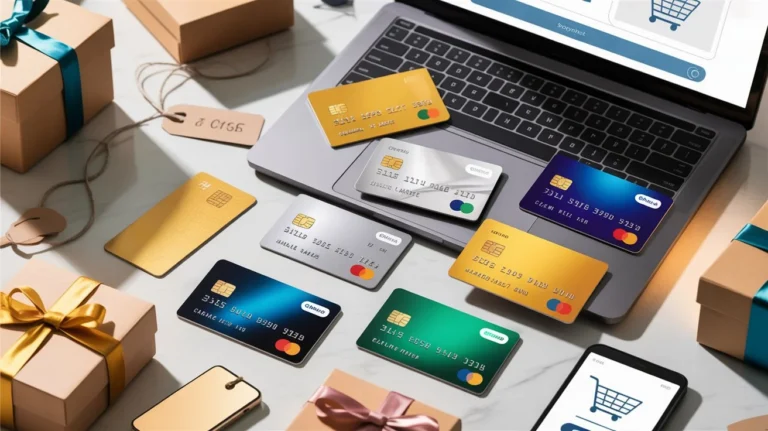
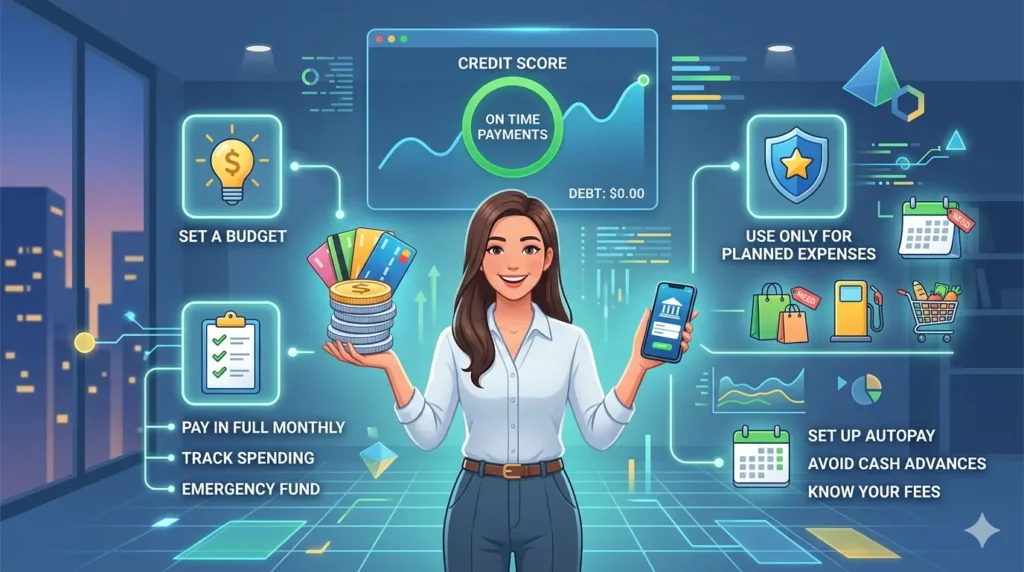
Credit cards have become an integral part of modern financial life. Whether it is booking travel tickets, paying utility bills, shopping online, or handling unexpected expenses, credit cards offer unmatched convenience and flexibility. With just a simple swipe or tap, you can access funds instantly without carrying cash.
this convenience often comes with a hidden risk. Many people fall into the trap of overspending and eventually find themselves burdened with debt. High interest rates, late payment penalties, and the habit of relying too heavily on credit can quickly turn a helpful financial tool into a serious financial problem.
The truth is that credit cards are neither good nor bad on their own. Their impact depends entirely on how they are used. When handled responsibly, a credit card can help you manage your expenses, earn rewards, and build a strong credit history. But when misused, it can lead to long-term financial stress.
Understanding How Credit Cards Work
A credit card is essentially a short-term loan provided by a bank or financial institution. When you use a credit card, you are borrowing money up to a pre-approved limit, known as your credit limit. This limit is determined based on factors such as your income, credit history, and financial profile.
Every credit card operates on a billing cycle, which is typically around 30 days. During this period, all your transactions are recorded. At the end of the billing cycle, the bank generates a statement that includes the total amount you owe, the minimum payment due, and the payment due date.
If you pay the full outstanding amount before the due date, you usually do not have to pay any interest. This interest-free period is one of the biggest advantages of using a credit card responsibly. However, if you fail to pay the full amount and carry forward a balance, interest is charged on the remaining amount. These interest rates are often quite high and can accumulate quickly over time.
Understanding this basic structure is essential because it highlights an important fact: a credit card is not free money. It is borrowed money that must be repaid within a specific timeframe to avoid additional costs.
Why People Fall Into Credit Card Debt
Despite knowing the basics, many people still struggle with credit card debt. This usually happens due to a combination of behavioral and financial factors.
One of the most common reasons is the minimum payment trap. Credit card statements often allow you to pay a small portion of your total balance as the minimum amount due. While this may seem convenient, it can be misleading. Paying only the minimum amount means that the remaining balance continues to accumulate interest, making it harder to clear the debt over time.
Another major factor is impulse spending. Credit cards remove the immediate pain of paying money, which can lead to careless spending. People often make purchases they would not have made if they were using cash or debit cards. This psychological disconnect between spending and payment can quickly result in overspending.
A lack of expense tracking also contributes significantly to debt. When you do not monitor your transactions regularly, it becomes difficult to keep track of how much you have spent. Small purchases may seem insignificant individually, but together they can create a large bill at the end of the month.
High interest rates further worsen the situation. Once a balance is carried forward, interest is added to the outstanding amount, and in many cases, interest is also charged on previous interest. This compounding effect can cause the debt to grow rapidly.
Developing Smart Habits for Responsible Credit Card Use
Using a credit card responsibly is not about avoiding it altogether but about building disciplined financial habits. These habits help you stay in control and prevent debt from accumulating.
The most important habit is paying your full balance every month. This ensures that you do not incur any interest charges. When you consistently pay your full dues on time, you effectively use the credit card as a convenience tool rather than a borrowing mechanism.
Another crucial habit is setting a personal spending limit. Your credit limit is not a target to reach; it is simply the maximum you are allowed to borrow. It is wise to decide your own spending cap based on your monthly income and budget. Keeping your usage well below your credit limit not only prevents overspending but also improves your credit profile.
Tracking your transactions regularly is equally important. Monitoring your spending helps you stay aware of where your money is going. It also allows you to detect any unauthorized transactions early and take corrective action.
Timely payments play a key role in maintaining financial stability. Missing a payment can result in late fees, increased interest rates, and damage to your credit score. Setting up automatic payments or reminders can help ensure that you never miss a due date.
Avoiding unnecessary purchases is another important aspect of responsible credit card use. Before making a purchase, it is helpful to pause and evaluate whether it is truly needed. This simple step can prevent impulsive spending and keep your finances in check.
Maximizing Credit Card Benefits Without Risk
Credit cards offer several benefits, including rewards, cashback, and exclusive discounts. When used wisely, these benefits can add value to your spending.
Rewards programs allow you to earn points or cashback on your purchases. These rewards can be redeemed for travel, shopping, or statement credits. However, it is important to remember that rewards should not drive your spending decisions. Spending more than necessary just to earn rewards defeats the purpose and can lead to debt.
Discounts and special offers are another attractive feature of credit cards. While these deals can help you save money, they should be approached with caution. Purchasing something solely because it is on discount can result in unnecessary expenses.
The safest approach is to use your credit card for planned and essential expenses. This ensures that you stay within your budget and are able to pay off your balance in full. By aligning your credit card usage with your financial plan, you can enjoy its benefits without taking on additional risk.
Recognizing Warning Signs of Debt
Being aware of early warning signs can help you avoid serious financial trouble. One of the first signs is carrying a balance from one month to the next. This indicates that you are spending more than you can afford to pay off immediately.
Another warning sign is relying on the minimum payment option. While it may provide temporary relief, it often leads to long-term financial strain due to accumulating interest.
Using one credit card to pay off another is also a red flag. This behavior suggests that you are struggling to manage your debt and may be entering a cycle of borrowing.
A steadily increasing credit card bill is another indicator of potential trouble. If your balance continues to grow despite regular payments, it is important to reassess your spending habits and take corrective action.
What to Do If You Are Already in Debt
If you find yourself in credit card debt, it is important to take immediate steps to regain control. Ignoring the problem will only make it worse.
The first step is to stop using your credit card for new purchases. This prevents your debt from increasing further and allows you to focus on repayment.
Creating a repayment plan is essential. Start by listing all your outstanding balances and interest rates. Prioritize paying off the highest-interest debts first, as this will reduce the overall cost of borrowing.
Increasing your monthly payments can significantly speed up the repayment process. Even small additional payments can reduce the principal amount and lower the total interest paid over time.
Exploring options such as balance transfers or debt consolidation may also be helpful. Some financial institutions offer lower interest rates for transferring existing balances, which can make repayment more manageable.
Consistency and discipline are key during this phase. With a clear plan and steady effort, it is possible to eliminate credit card debt and regain financial stability.
Best Practices for Beginners
For those who are new to credit cards, starting with the right approach can make a significant difference. It is advisable to begin with a card that has a lower credit limit. This reduces the risk of and helps you develop responsible habits.
Using the card for essential expenses such as groceries, fuel, or utility bills is a good way to build familiarity without taking unnecessary risks. These are expenses you would incur anyway, so they are easier to manage.
Paying your bill in full every month should be your primary goal. This habit not only prevents interest charges but also builds a strong credit history.
Regularly reviewing your statements helps you stay informed about your spending patterns. It also ensures that you remain in control of your finances.
Building a good credit score takes time, but consistent responsible behavior will eventually lead to better financial opportunities, such as higher credit limits and lower interest rates.
Conclusion
Credit cards can be powerful financial tools when used wisely. They offer convenience, security, and the opportunity to build a strong credit profile. However, they also require discipline and awareness to avoid falling into debt.
The key to using a credit card without getting into debt lies in understanding how it works and developing responsible habits. Paying your full balance on time, controlling your spending, and staying mindful of your financial limits are essential practices.
It is important to remember that a credit card is not an extension of your income. It is a form of borrowing that must be managed carefully. By treating it with respect and using it thoughtfully, you can enjoy its benefits without facing financial stress.
In the end, financial freedom is not about avoiding credit cards but about using them in a way that supports your goals. With the right mindset and consistent effort, you can stay debt-free and make your credit card work for you rather than against you.
FAQs
1. Can I use a credit card without paying interest?
Yes, you can completely avoid interest by paying your full outstanding balance before the due date every month. This is known as the interest-free period, and it allows you to use the credit card without any extra cost.
2. Is paying the minimum amount enough to avoid debt?
No, paying only the minimum amount keeps you from being charged late fees, but interest is still applied to the remaining balance. Over time, this can lead to significant debt due to high interest rates.
3. How much of my credit limit should I use?
It is generally recommended to use less than 30% of your credit limit. Keeping your usage low helps you stay financially disciplined and also improves your credit score.
4. What happens if I miss a credit card payment?
Missing a payment can result in late fees, increased interest charges, and a negative impact on your credit score. Repeated missed payments can make it harder to get loans or credit in the future.
5. Is it good to use a credit card for daily expenses?
Yes, using a credit card for daily expenses like groceries or fuel is fine as long as you stay within your budget and pay the full bill on time. This can also help you earn rewards and build a positive credit history.