
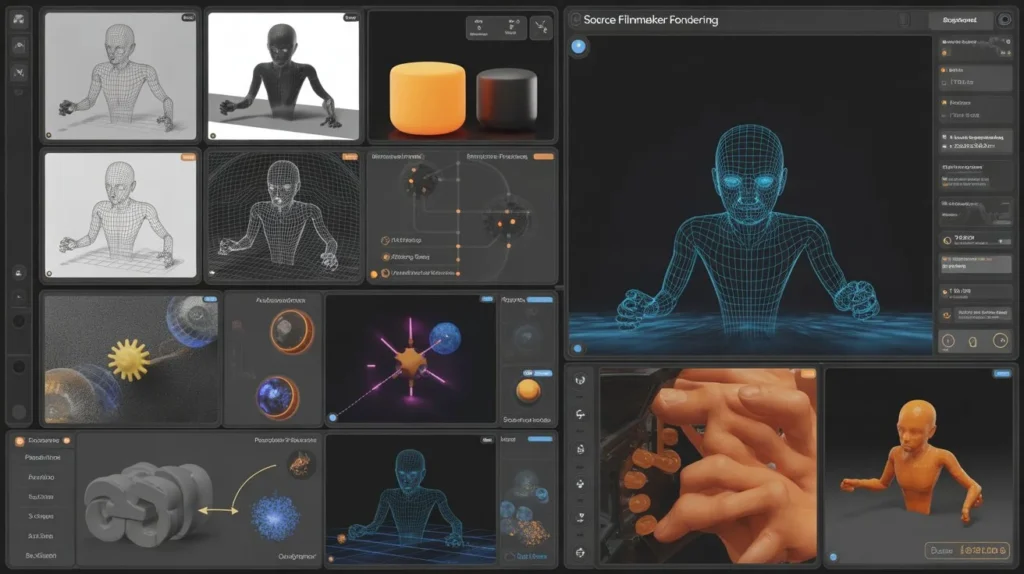
SFM Compile is one of the most important steps in creating professional-quality animations in Source Filmmaker, yet it is often misunderstood by beginners and even intermediate users. It is not just about exporting your project it is the stage where your entire animation is transformed into a polished final output. The choices you make during SFM Compile directly affect video quality, rendering time, and overall visual impact.
Many creators struggle with issues like low-quality renders, crashes, or mismatched settings simply because they don’t fully understand how the SFM Compile process works. From selecting the right export format to optimizing resolution and frame rate, every detail plays a role in achieving smooth and high-quality results.
Understanding SFM Compile
The term SFM Compile is commonly used within the community, but it does not have a strict technical definition. In general, it refers to the process of rendering and exporting your animation into a final format that can be shared or uploaded.
In Source Filmmaker, rendering involves generating each frame of your animation using lighting, textures, and camera data. Exporting then takes those frames and saves them as either a video file or a sequence of images. Together, these steps form what users call SFM Compile.
Although the software provides multiple ways to export your project, not all methods produce the same results. Understanding how SFM Compile works helps you make better decisions about quality, performance, and workflow.
Preparing Your Project for SFM Compile
Before starting the SFM Compile process, preparation is essential. Skipping this stage can lead to errors that are difficult to fix later.
Finalizing Animation
The first step is ensuring that your animation is completely finished. This means all movements, transitions, and keyframes are properly placed. Any unfinished animation will be visible in the final output, so it is important to review your timeline carefully.
Checking Lighting and Visuals
Lighting has a major impact on how your scene appears after SFM Compile. Even small lighting issues can become more noticeable in the final render. You should check for overly dark areas, excessive brightness, and unnatural shadows. Viewing your scene from the render camera instead of the work camera helps you see exactly what will be exported.
Camera Setup and Framing
Camera positioning is another critical aspect. The render camera should be active and properly framed. Any mistakes in camera setup will directly affect your final output during SFM Compile. Smooth camera motion and correct angles contribute significantly to a professional look.
Frame Rate Consistency
Frame rate consistency is often overlooked. Whether you choose 24, 30, or 60 frames per second, your timeline and export settings must match. A mismatch can cause issues such as stuttering or audio desynchronization after SFM Compile.
Fixing Errors Before Rendering
Before starting SFM Compile, you should check for missing textures, broken models, or visual glitches. These issues are much easier to fix before rendering begins. Once the process starts, discovering such problems can mean redoing the entire compile.
SFM Compile Settings Explained
Choosing the right settings is one of the most important parts of achieving high-quality results. SFM Compile offers several options, and understanding them helps you avoid common mistakes.
Export Methods in SFM Compile
There are two primary methods available when performing SFM Compile. One method exports directly to a video file, while the other generates an image sequence.
Exporting to a video file is faster and more convenient, but it often leads to lower quality and higher chances of crashes. On the other hand, exporting as an image sequence produces better results and offers more flexibility during post-processing.
File Formats and Their Impact
The choice of file format plays a significant role in SFM Compile. Lossless formats such as PNG preserve image quality, making them ideal for high-end projects. Other formats like JPG reduce file size but also lower quality, which may not be suitable for professional work.
Selecting the right format depends on your goals, but for most creators, high-quality image sequences are the preferred option.
Resolution and Output Quality
Resolution determines the clarity of your final video. Standard high-definition resolution works well for most projects, while higher resolutions such as 4K provide sharper details. However, increasing resolution also increases rendering time during SFM Compile.
Balancing quality and performance is essential. Choosing a resolution that matches your intended platform ensures the best results without unnecessary delays.
Motion Blur and Anti-Aliasing
Motion blur adds realism to movement, making animations feel smoother and more cinematic. Anti-aliasing helps reduce jagged edges, resulting in cleaner visuals. Both settings improve quality but also increase rendering time.
When using SFM Compile, it is important to adjust these settings carefully to achieve the desired balance between visual quality and efficiency.
Step-by-Step SFM Compile Process
The SFM Compile process itself is straightforward once you understand the steps involved. After completing your project, you access the export menu and select your preferred output method. From there, you configure settings such as resolution, frame rate, and format.
Once everything is set, you begin the rendering process. SFM will process each frame individually, applying lighting, textures, and effects. Depending on the complexity of your scene, this process can take a significant amount of time.
Patience is key during SFM Compile, as rushing through settings or skipping checks can lead to unsatisfactory results.
Achieving High-Quality Results with SFM Compile
Producing high-quality animations requires more than just basic knowledge. It involves understanding best practices and applying them consistently.
Using image sequences instead of direct video export is one of the most effective ways to improve results. This method ensures that each frame is rendered at full quality and reduces the risk of losing progress due to crashes.
Maintaining consistent frame rates and using appropriate resolution settings also contribute to better output. Careful adjustment of lighting, motion blur, and anti-aliasing enhances the overall visual experience.
When done correctly, SFM Compile can produce results that rival professional animation tools.
Common Problems in SFM Compile and Their Solutions
Even with proper preparation, issues can still occur during SFM Compile. Understanding these problems and their causes helps you resolve them quickly.
Rendering Issues and Black Screens
One common issue is a black screen in the final output. This usually happens when the wrong camera is selected. Ensuring that the correct render camera is active before starting SFM Compile prevents this problem.
Missing Textures and Assets
Missing textures often appear as purple or black patterns. This issue is typically caused by missing files or incorrect paths. Verifying assets before rendering ensures that everything appears correctly in the final output.
Crashes During Rendering
Crashes can occur due to high memory usage or complex scenes. Reducing scene complexity or using image sequences instead of video export can help stabilize the SFM Compile process.
Audio Synchronization Problems
Audio issues are usually related to mismatched frame rates. Keeping timeline and export settings consistent ensures that sound remains synchronized with the animation.
Also Read – Anonib AZN
Post-Processing After SFM Compile
After completing SFM Compile, the next step is post-processing. This stage allows you to refine your animation and add finishing touches.
Combining image sequences into a video using editing software provides greater control over the final output. You can adjust colors, enhance lighting, and add effects that were not included during rendering.
Audio integration is also handled during this stage. Adding music, sound effects, and voiceovers enhances the overall impact of your animation.
Post-processing is where your project truly comes together, transforming raw renders into a polished final product.
Optimizing Performance During SFM Compile
Rendering can be time-consuming, especially for complex projects. Optimizing your workflow helps reduce rendering time without sacrificing quality.
Simplifying scenes by removing unnecessary elements can significantly improve performance. Lowering preview settings while working also helps maintain efficiency without affecting the final output.
Breaking large projects into smaller segments and compiling them separately is another effective strategy. This approach reduces the risk of crashes and makes the SFM Compile process more manageable.
Efficient workflow management ensures that you spend less time waiting and more time creating.
Conclusion
SFM Compile is a critical part of the animation process in Source Filmmaker. It is not just a final step but a process that requires careful preparation, proper settings, and attention to detail.
Understanding how SFM Compile works allows you to avoid common mistakes and achieve higher-quality results. From preparing your project and choosing the right settings to troubleshooting issues and optimizing performance, every step plays a role in the final outcome.
As you continue to work with Source Filmmaker, your experience with SFM Compile will improve. Experimenting with different techniques and refining your workflow will help you create animations that stand out both visually and technically.
Mastering SFM Compile is ultimately about bringing your creative vision to life in the best possible way. With the right approach, you can turn your ideas into stunning animations that leave a lasting impression.
Frequently Asked Questions
1. What is SFM Compile?
SFM Compile refers to the process of rendering and exporting animations in Source Filmmaker into a final output format such as a video file or image sequence. It includes generating frames, applying lighting, and saving the project for sharing or editing.
2. Why is image sequence better than video export in SFM Compile?
Using an image sequence during SFM Compile provides higher quality and better stability. It prevents data loss if the software crashes and allows you to re-render specific frames instead of the entire project.
3. What are the best settings for SFM Compile?
The best settings for SFM Compile typically include exporting as a PNG image sequence, using 1080p or higher resolution, maintaining consistent frame rate, and enabling anti-aliasing for smoother visuals.
4. Why does SFM Compile crash during rendering?
SFM Compile may crash due to high memory usage, complex scenes, or exporting directly to video format. Switching to image sequences and reducing scene complexity can help prevent crashes.
5. How long does SFM Compile take?
The time required for SFM Compile depends on factors such as scene complexity, resolution, and effects like motion blur. Simple projects may take minutes, while complex animations can take several hours to render.