
Tea is one of the most widely consumed beverages in the world, and in India it holds a particularly special place in everyday life. From the first cup in the morning to the evening chai shared with friends and family, tea has become a daily ritual for millions of people. Tea stalls can be found on busy streets, railway stations, offices, and small villages across the country. For many Indians, tea is not just a drink but a symbol of hospitality, conversation, and comfort.
However, tea is more than just a popular beverage. It also has a fascinating history filled with myths, cultural stories, and ancient traditions. Many people often ask an interesting question: what is the Indian legend regarding the discovery of tea? The answer lies in a story that combines spirituality, dedication, and the search for enlightenment.
While historians have documented the spread and cultivation of tea in India, legends provide a unique cultural explanation for how tea was discovered and why it became associated with alertness and meditation. One of the most famous stories related to this topic involves a Buddhist monk named Bodhidharma.
The Story Behind the Indian Legend of Tea
When people ask what is the Indian legend regarding the discovery of tea, the story most commonly shared is the legend of Bodhidharma, a Buddhist monk known for his dedication to meditation.
According to traditional stories, Bodhidharma was a monk who lived many centuries ago and devoted his life to spreading Buddhist teachings. He is often credited with bringing Zen Buddhism to China and encouraging deep meditation as a path to spiritual awakening.
The legend tells us that Bodhidharma once decided to meditate continuously for several years in order to achieve enlightenment. Meditation requires intense concentration and mental discipline, and Bodhidharma was determined to remain focused throughout the process.
However, during his long meditation sessions, he often felt tired and struggled to stay awake. Falling asleep during meditation made him frustrated because it interrupted his spiritual practice.
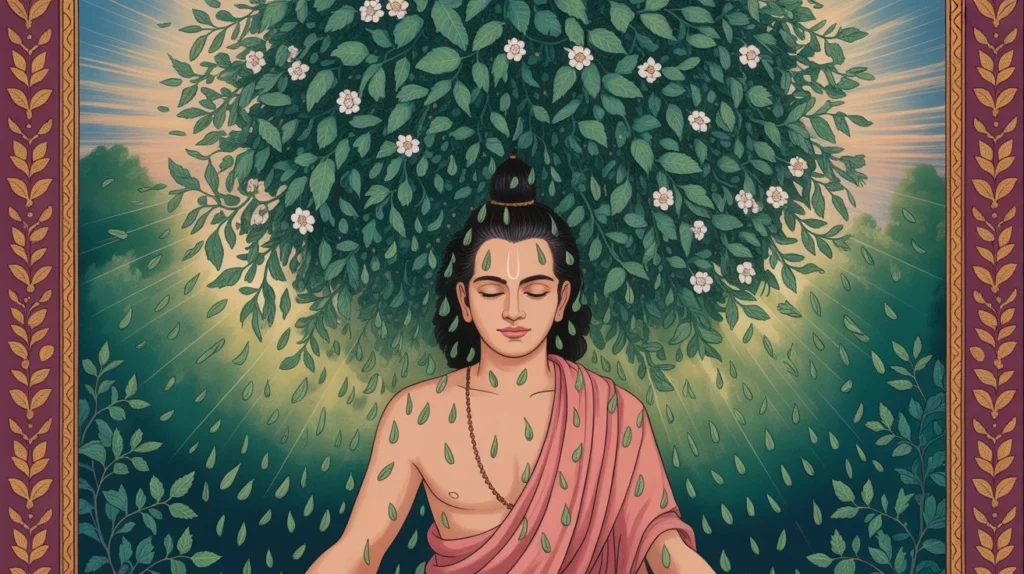
One day, in an extreme act of determination, Bodhidharma decided to prevent himself from ever falling asleep again. According to the legend, he cut off his eyelids and threw them onto the ground.
Something extraordinary happened afterward.
From the place where his eyelids fell, a new plant began to grow. This plant later became known as the tea plant. When people used the leaves of this plant to prepare a drink, they discovered that it helped them stay alert and focused.
This is the story most often told when people ask what is the Indian legend regarding the discovery of tea. The legend explains why tea is believed to help people remain awake and attentive.
Tea and Buddhist Meditation Practices
Understanding what is the Indian legend regarding the discovery of tea also helps explain the relationship between tea and meditation.
In Buddhist monasteries, meditation practices often lasted for many hours. Monks needed to maintain strong concentration and mental clarity throughout their spiritual training. A drink that could help reduce fatigue and improve alertness was extremely valuable.
Tea naturally contains caffeine and other compounds that stimulate the mind and reduce sleepiness. Because of these qualities, tea gradually became popular among monks.
In many monasteries, drinking tea became part of the daily routine. Monks would prepare tea before meditation sessions to help them stay focused and aware.
Beyond its physical benefits, tea also gained symbolic meaning in spiritual traditions. Preparing and drinking tea slowly and mindfully was seen as a form of meditation in itself. Every step of the process, from boiling water to pouring the tea, encouraged awareness and calmness.
In this way, tea became associated with mindfulness, discipline, and spiritual clarity.
Tea in Ancient India and the Assam Region
While the legend of Bodhidharma answers the question what is the Indian legend regarding the discovery of tea, historical evidence suggests that tea plants existed in India long before organized tea cultivation began.
One of the most important regions associated with tea in India is Assam, located in the northeastern part of the country. The climate in Assam is ideal for growing tea plants because it has rich soil, heavy rainfall, and warm temperatures.
Long before tea became a commercial crop, indigenous communities in Assam were already familiar with tea plants. Tribes such as the Singpho are believed to have used tea leaves in their daily lives.
Instead of preparing tea exactly as it is consumed today, these communities used tea leaves in different ways. Sometimes they chewed fresh leaves, fermented them, or cooked them with food.
These early uses suggest that tea was part of local traditions even before the British began cultivating it on a large scale.
Although these historical facts provide a realistic explanation of tea’s presence in India, the legend of Bodhidharma remains a fascinating cultural story that people continue to share when discussing what is the Indian legend regarding the discovery of tea.
From Legend to Historical Tea Cultivation
The answer to what is the Indian legend regarding the discovery of tea may lie in spiritual storytelling, but the growth of the tea industry in India has a well-documented history.
During the nineteenth century, the British East India Company was searching for ways to grow tea outside of China. At that time, China controlled most of the global tea trade.
British explorers eventually discovered wild tea plants growing naturally in Assam. This discovery was extremely important because it meant tea could be cultivated in British-controlled territories.
Soon after, the British began establishing tea plantations in Assam. Large tea estates were developed, and organized tea production expanded rapidly.
Other regions in India also became important tea-producing areas. Darjeeling in West Bengal became famous for its aromatic tea, while the Nilgiri hills in South India developed their own unique tea varieties.
Over time, India grew into one of the largest tea producers in the world.
Symbolism Behind the Tea Legend
When discussing what is the Indian legend regarding the discovery of tea, it is important to understand the deeper symbolism behind the story.
The legend of Bodhidharma is not just about the discovery of a plant. It represents ideas about discipline, determination, and the pursuit of spiritual enlightenment.
Bodhidharma’s struggle with sleep symbolizes the challenges people face while trying to maintain focus and dedication in their spiritual or personal journeys.
The appearance of the tea plant from his eyelids symbolizes transformation. It suggests that even moments of struggle can lead to positive discoveries.
Tea itself becomes a symbol of wakefulness, awareness, and clarity of mind.
Because of this symbolism, the legend continues to be meaningful even today. Many people still associate tea with mental alertness and relaxation.
Tea in Modern Indian Life
Although the story explaining what is the Indian legend regarding the discovery of tea comes from ancient traditions, tea remains just as important in modern India.
Across the country, chai has become a part of everyday culture. People start their mornings with tea, enjoy tea during work breaks, and gather with friends over a cup of chai in the evening.
Tea stalls, often called “chai tapris,” are common meeting places where people discuss politics, sports, business, and daily life.
Offering tea to guests is also considered a sign of hospitality in Indian homes. A visitor is usually welcomed with a hot cup of tea along with snacks such as biscuits or namkeen.
Indian tea is also known for its unique preparation style. Unlike plain tea served in some countries, Indian chai often includes milk, sugar, and spices like ginger, cardamom, or cloves.
This spiced tea, commonly called masala chai, has become popular around the world.
In addition to its cultural importance, tea also contributes significantly to India’s economy. The country is one of the largest tea producers and exporters globally.
Conclusion
So, what is the Indian legend regarding the discovery of tea? According to traditional stories, the legend centers on Bodhidharma, a Buddhist monk who struggled to stay awake during meditation. His eyelids, thrown to the ground in frustration, are said to have grown into the first tea plants. The leaves of these plants later became the tea that helps people remain alert and focused.
Although this story is symbolic rather than historically proven, it highlights the deep connection between tea, mindfulness, and spiritual discipline.
At the same time, historical discoveries of tea plants in Assam and the development of tea plantations helped transform tea into one of the world’s most popular beverages.
Today, tea is an essential part of Indian culture and daily life. From roadside chai stalls to international tea markets, tea continues to connect people through shared traditions and conversations.
FAQs
1. What is the Indian legend regarding the discovery of tea?
The legend says that the Buddhist monk Bodhidharma cut off his eyelids to avoid sleeping during meditation, and tea plants grew where they fell.
2. Is the Bodhidharma tea story true?
No, it is considered a legend rather than a historically proven fact.
3. Where were tea plants first found in India?
Tea plants were discovered growing naturally in Assam.
4. Why did monks drink tea?
Monks drank tea to stay awake and focused during long meditation sessions.
5. Who introduced large-scale tea cultivation in India?
Large-scale tea cultivation in India began during the time of the British East India Company.